A new electric working van
Start with the exact vehicle, battery specification and supplier quotation. Check availability, delivery timing and suitability for the intended load and route.

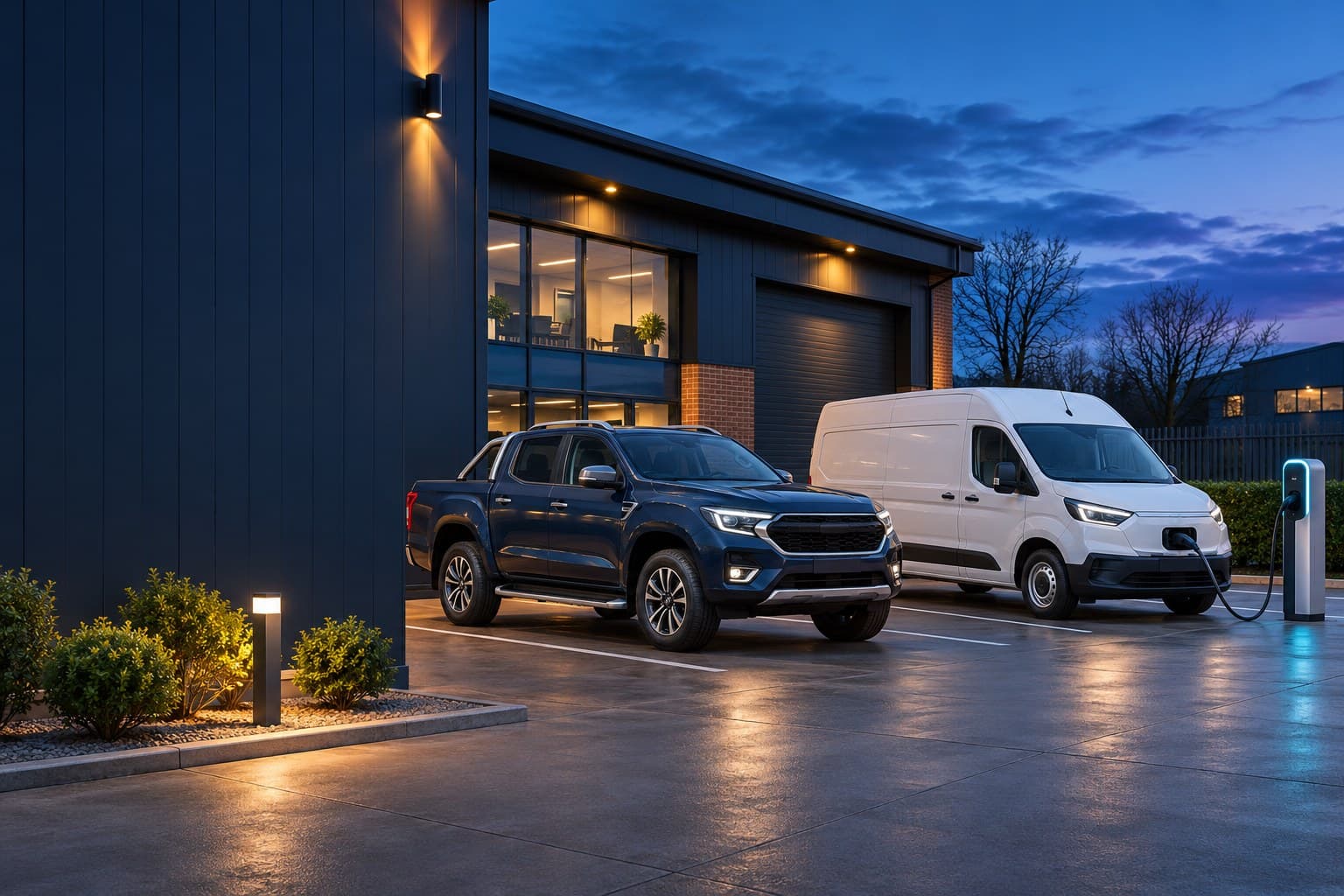
For delivery routes, service teams & business fleets
Discuss finance for a new or used electric van, with hire purchase, finance lease and sourcing support for UK limited companies.
Finance around your business
An electric van purchase works best when the vehicle matches the working day. Consider the actual route, load, weather exposure, parking and time available to charge rather than choosing from a headline range figure alone.
DCF can explore new and used electric van finance for UK limited companies. Provide the full quotation and available battery information, together with expected mileage and the business’s planned charging arrangements.
The van and charging installation are different parts of the project. Explain the whole requirement, but do not assume a charger, electrical work or installation can be included in the vehicle agreement. Supplier arrangements and eligible costs need separate lender confirmation.
Finance is subject to status and lender approval. Deposits, rates, terms and any guarantees depend on your business, the asset and the lender.
What we can help fund
Start with the exact vehicle, battery specification and supplier quotation. Check availability, delivery timing and suitability for the intended load and route.
Include age, mileage, available battery health information, warranty details and service history. Ask the supplier about charging equipment supplied and any separate battery agreement.
Provide a vehicle schedule and explain the delivery phases, routes and charging readiness at each location. The funding timetable should reflect when the vehicles can enter service.
Your funding options
Spread the purchase cost through an agreed repayment schedule. Ownership can pass to your business once all contractual payments and any option-to-purchase fee have been paid.
Ask us to set out the initial payment, monthly cost, fees and any final payment together, so you can compare the full commitment.
Your business uses the asset in return for rentals, while the finance provider retains ownership. End-of-term arrangements depend on the agreement and should be understood before you sign.
We can explain the initial rental, ongoing payments and the options available when the primary term ends.
Explore the detail in our hire purchase, finance lease and contract hire comparison and VAT on asset finance guide.
Make the purchase work
Ask the supplier to assess your actual mileage, payload and operating pattern. Leave a practical margin for variable conditions, route changes and the time needed to recharge.
For a used van, clarify battery ownership, any separate agreement, available condition information and transferable warranty terms. Finance approval does not verify battery performance.
Confirm parking permissions, electrical capacity, installation costs and completion dates with appropriate providers. A funded van and a charger ordered for later are separate delivery risks to plan.
Start with the essentials
A supplier quote or listing is a useful starting point. We will confirm which supporting documents the lender needs.
Start your enquiryA clear next step
Share the van quotation, working route and charging plan.
Discuss the HP or finance lease options for the vehicle.
Complete the lender’s checks and confirm supplier arrangements.
Align funding completion with vehicle delivery and operational readiness.
Your questions answered
Potentially. DCF can discuss used electric van funding for UK limited companies. Lenders assess the company, price, seller and vehicle. Supply the age, mileage, condition and available battery information so the specific purchase can be considered.
Yes, we can discuss electric commercial van enquiries across makes and models. Send the precise specification and supplier quotation. DCF can also discuss sourcing; availability and funding terms need checking for the actual vehicle.
A courier limited company can discuss an application. Explain daily mileage, route variation, payload, charging access and any contract timetable. Operational suitability should be checked with the supplier and funding is subject to lender assessment.
It needs checking separately. Provide an itemised charger and installation quotation, ownership details and supplier payment schedule. A vehicle funding approval does not automatically cover charging equipment, electrical work or installation.
Ask the supplier about battery ownership, available health or condition information, warranty terms, service history and any separate agreement. Clarify what evidence is available for the individual vehicle before committing; finance approval is not a battery inspection.
No. Compare the purchase and finance commitment with your expected electricity costs, charging arrangements, mileage, maintenance and downtime. Costs depend on the operation and vehicle. DCF can explain the finance quotation, while the supplier can help establish technical suitability.
From the DCF knowledge centre
Compare model guides and other commercial body types.
ExploreIdentify the full-size van and its exact working specification.
ExploreExplore the model guide and electric vehicle enquiries.
ExplorePlan route mileage and the timing of a delivery contract.
ExploreCoordinate several vehicles and phased delivery.
ExploreCompare an alternative working vehicle for trades and site work.
ExploreLet’s talk about your next purchase
Based in Kent and supporting limited companies across the UK. Tell us what you need and we will explore suitable lenders on our panel.
Direct Commercial Finance Ltd is a commercial finance broker, not a lender. Finance is subject to status and lender approval.