Tipper vans
Single or crew-cab vehicles with their tipping body and equipment identified. Describe the materials being carried and check the exact vehicle’s carrying capacity and suitability with the supplier.

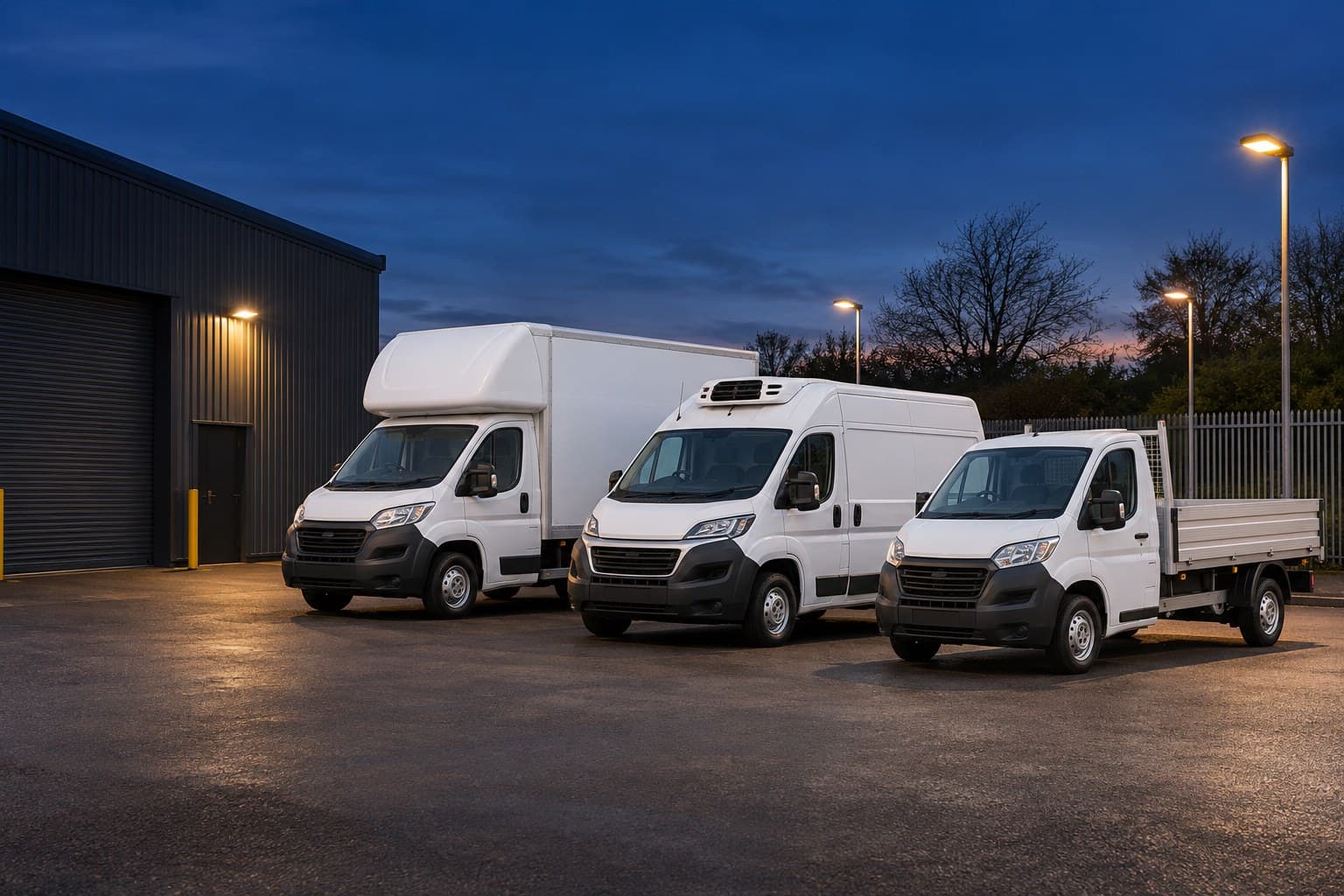
For construction, landscaping & trades
Explore new and used tipper or dropside van finance for your UK limited company. DCF can discuss hire purchase, finance lease and sourcing around the vehicle you need.
Finance around your business
A tipper and a dropside body do different jobs. One provides a tipping mechanism; the other gives access to a load bed through its sideboards. Start with the materials, tools and people the vehicle must carry and the sites it needs to reach.
This page covers van-based tipper and dropside purchases for trades, landscaping and construction businesses. If you need a larger HGV tipper or a grab lorry, our specialist truck finance guide covers that separate requirement.
DCF can explore funding for a completed new or used vehicle, or discuss a chassis and body purchase. Provide the actual specification, seller details, price and proposed delivery date so the finance enquiry reflects the complete asset.
Finance is subject to status and lender approval. Deposits, rates, terms and any guarantees depend on your business, the asset and the lender.
What we can help fund
Single or crew-cab vehicles with their tipping body and equipment identified. Describe the materials being carried and check the exact vehicle’s carrying capacity and suitability with the supplier.
Open-bed working vehicles for materials, equipment and site deliveries. Include the body dimensions, cab configuration and any additional equipment in the quotation.
If the chassis cab and body come from different suppliers, share both quotes and the build timetable. Funding and payment milestones need checking before supplier commitments are made.
Your funding options
Spread the purchase cost through an agreed repayment schedule. Ownership can pass to your business once all contractual payments and any option-to-purchase fee have been paid.
Ask us to set out the initial payment, monthly cost, fees and any final payment together, so you can compare the full commitment.
Your business uses the asset in return for rentals, while the finance provider retains ownership. End-of-term arrangements depend on the agreement and should be understood before you sign.
We can explain the initial rental, ongoing payments and the options available when the primary term ends.
Explore the detail in our hire purchase, finance lease and contract hire comparison and VAT on asset finance guide.
Make the purchase work
Check the plated limits and actual usable payload, including the body, passengers and equipment. A crew cab, toolbox or other addition can change what capacity remains for the working load.
For a used van, review the chassis and body as well as mileage. For a tipper, obtain information about the tipping mechanism and arrange an appropriate inspection rather than relying on photographs alone.
Explain whether the purchase supports replacement work or a new contract. Share the supplier deadline, any bodybuilder stage payments and when the vehicle needs to be ready for site use.
Start with the essentials
A supplier quote or listing is a useful starting point. We will confirm which supporting documents the lender needs.
Start your enquiryA clear next step
Send the quote and explain the load, work and body configuration.
We explore HP or finance lease around the vehicle and company.
We help coordinate the lender’s information and agreement requirements.
Funding and delivery follow once the lender’s completion conditions are met.
Your questions answered
Yes, a used tipper van can be considered for a UK limited company, subject to lender assessment. Provide the vehicle, body and tipping equipment details, along with age, mileage, condition, price and supplier information.
Yes, we can explore finance for new and used dropside vans purchased by UK limited companies. Send the precise body and cab specification, the supplier quotation and your preferred initial payment and term.
A crew-cab vehicle can be considered. Identify the exact configuration and intended use and confirm the seating and usable carrying capacity with the supplier. Vehicle classification and tax treatment should be checked for that particular purchase with your accountant.
Potentially. Ask the supplier to itemise the chassis, body and additional equipment. The lender will confirm what can be funded and whether separate suppliers or installation costs are acceptable.
Potentially. Share the available contract details, start date, supplier quotation and business financial information. The lender assesses the complete proposal; having a contract does not guarantee approval or that the vehicle will be available in time.
This page focuses on tipper and dropside vans. Larger HGV tippers, grab lorries and other specialist trucks involve different vehicle specifications and funding enquiries.
Compare van models, sourcing and other working body types.
ExplorePlan vehicle purchases alongside mobilisation costs and customer-payment dates.
ExploreExplore finance for HGV and specialist truck requirements.
ExploreDiscuss the machinery and equipment that work alongside the vehicle.
ExploreCompare box-body and tail-lift purchase considerations.
ExploreFunding a complete temperature-controlled van or conversion.
ExploreLet’s talk about your next purchase
Based in Kent and supporting limited companies across the UK. Tell us what you need and we will explore suitable lenders on our panel.
Direct Commercial Finance Ltd is a commercial finance broker, not a lender. Finance is subject to status and lender approval.