Business finance
Bank Rate holds at 3.75%: what should businesses do about vehicle and equipment finance?
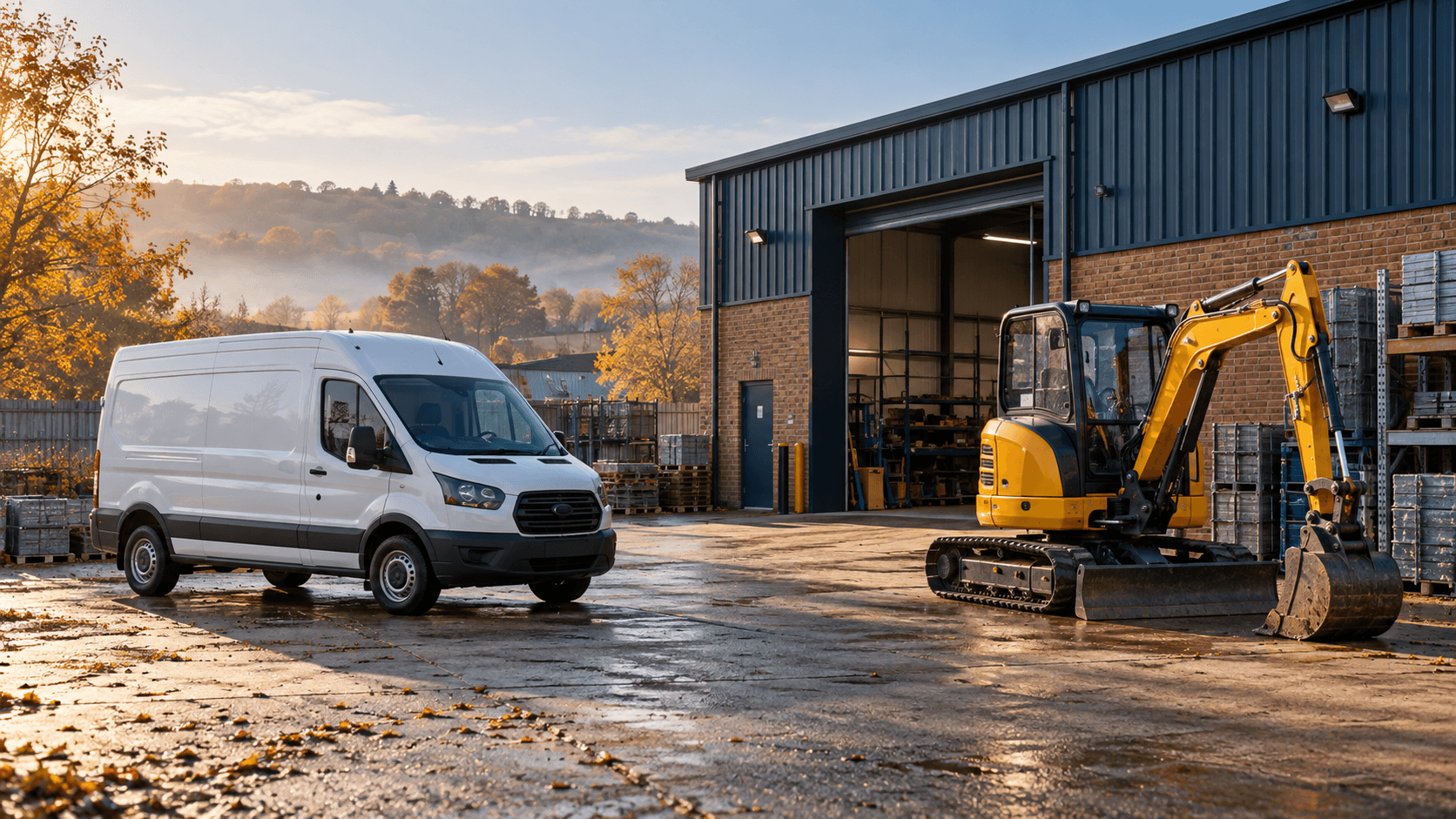
With the next Bank of England decision approaching, UK business owners face a practical question: finance the equipment they need now, or wait for borrowing costs to change?
For a business replacing a van, buying an excavator or upgrading workshop machinery, interest rates are only part of the decision. The cost of keeping an unreliable asset running, missing work or tying up too much cash can matter just as much.
The Bank of England maintained Bank Rate at 3.75% at its September meeting. Six Monetary Policy Committee members supported holding the rate, while three preferred an increase to 4%. The next decision is due on 5 November 2026. The Bank also warned that inflation risks had increased, leaving the future direction of rates uncertain.
For limited companies planning their next purchase, that makes a clear assessment of affordability more useful than trying to predict the next announcement.
An unchanged Bank Rate does not guarantee an unchanged finance quote
Bank Rate influences borrowing conditions, but it is not the rate a business will necessarily pay for vehicle or equipment finance.
Lenders also consider their funding costs, the applicant’s financial position, the asset being financed and the structure of the agreement. A company buying a new commercial vehicle may therefore receive different terms from another business purchasing older specialist machinery.
The Bank’s September minutes highlighted that market interest rate movements had already passed through to lending rates faced by businesses, despite Bank Rate remaining unchanged at that meeting.
The practical implication is that waiting for the next decision does not guarantee a better offer. Equally, there is no reason to rush into an unsuitable agreement because rates might rise.
Ask when a quotation expires, whether its pricing is fixed and what must happen before the lender will honour those terms.
Start with what the asset will do for your business
Before comparing finance options, establish why the purchase is needed.
Is a replacement van likely to reduce breakdowns? Will another machine allow your team to complete work currently being subcontracted? Does a new piece of equipment support an existing order book, or does its affordability depend on winning work you do not yet have?
Those are different situations, and they deserve different budgets.
Consider a groundworks company deciding whether to replace an unreliable excavator. Its existing machine may have no monthly finance payment, but it can still carry significant costs through repairs, downtime and replacement hire.
A sensible comparison brings those costs together with the proposed finance payment, insurance, maintenance and operating expenses. The aim is to understand the effect on the business’s cash position and ability to deliver work.
Protect the cash you need between invoices
Paying outright avoids finance charges, but it also removes cash from the business immediately.
That money may otherwise be needed for wages, materials, fuel or supplier payments before customers settle their invoices. A profitable business can still face pressure if a large equipment purchase leaves too little working capital.
Asset finance allows businesses to spread the cost of acquiring or using vehicles, machinery and equipment. Hire purchase and leasing are two established routes, with different ownership arrangements and contractual obligations.
The right deposit is therefore a balancing decision. A larger deposit can reduce the amount financed, while a smaller one can preserve cash at the outset. Compare both structures against your expected bank balance over the coming months.
Compare the whole agreement
A low monthly payment is useful only when the rest of the agreement suits your plans. When reviewing quotations, check:
- The initial payment: how much cash is required before the asset is released?
- The term: how long will the business be committed?
- The total payable: what will the funding cost over the full agreement?
- Any final payment: is there a balloon, purchase fee or other amount due?
- The end position: will the company own the asset, return it or continue under another arrangement?
- The exit terms: what happens if you want to settle early or change the asset?
Compare quotations using the same asset price, deposit and term wherever possible. Otherwise, a lower payment may simply reflect a longer commitment or a larger amount payable later.
Match the finance structure to your plans
Hire purchase can suit businesses that intend to retain an asset and want a route to ownership after completing the agreement and meeting its purchase conditions.
Leasing can suit businesses seeking access to equipment through rental payments, although the end-of-term arrangements need careful attention. Do not assume that making the final rental means the company automatically owns the asset.
Think about how long you expect to use the equipment, how heavily it will work and whether your requirements are likely to change. An agreement should support that plan throughout its term.
Test affordability against a quieter month
A finance payment should be manageable beyond your busiest trading period.
Before committing, consider what happens if a customer pays late, fuel costs rise or a planned contract starts a month behind schedule. Seasonal businesses should also look at the months when income is usually lower.
If the purchase only works when every assumption goes right, review the asset price, deposit or timing. A cheaper suitable machine, a different structure or a later purchase may provide more breathing room.
Make the decision around your business
There is no universal answer to whether a company should buy now or wait.
Where an asset supports confirmed work, replaces costly downtime and remains affordable under realistic cash-flow assumptions, there may be a sound commercial case to proceed. Where the need is uncertain or cash reserves are stretched, taking more time may be sensible.
The useful first step is to obtain a current quotation and assess the complete commitment.
Direct Commercial Finance Ltd is a commercial finance broker, not a lender. Finance is subject to status and lender approval. Information checked on 17 October 2026.